After several days building our acquaintance with friendly and deadly dangerous creatures in Everglades National Park, it was time to do some island hopping in search of the best-kept secrets of the Florida Keys.
Last updated: January 12, 2026
Planning Our Florida Keys Adventure
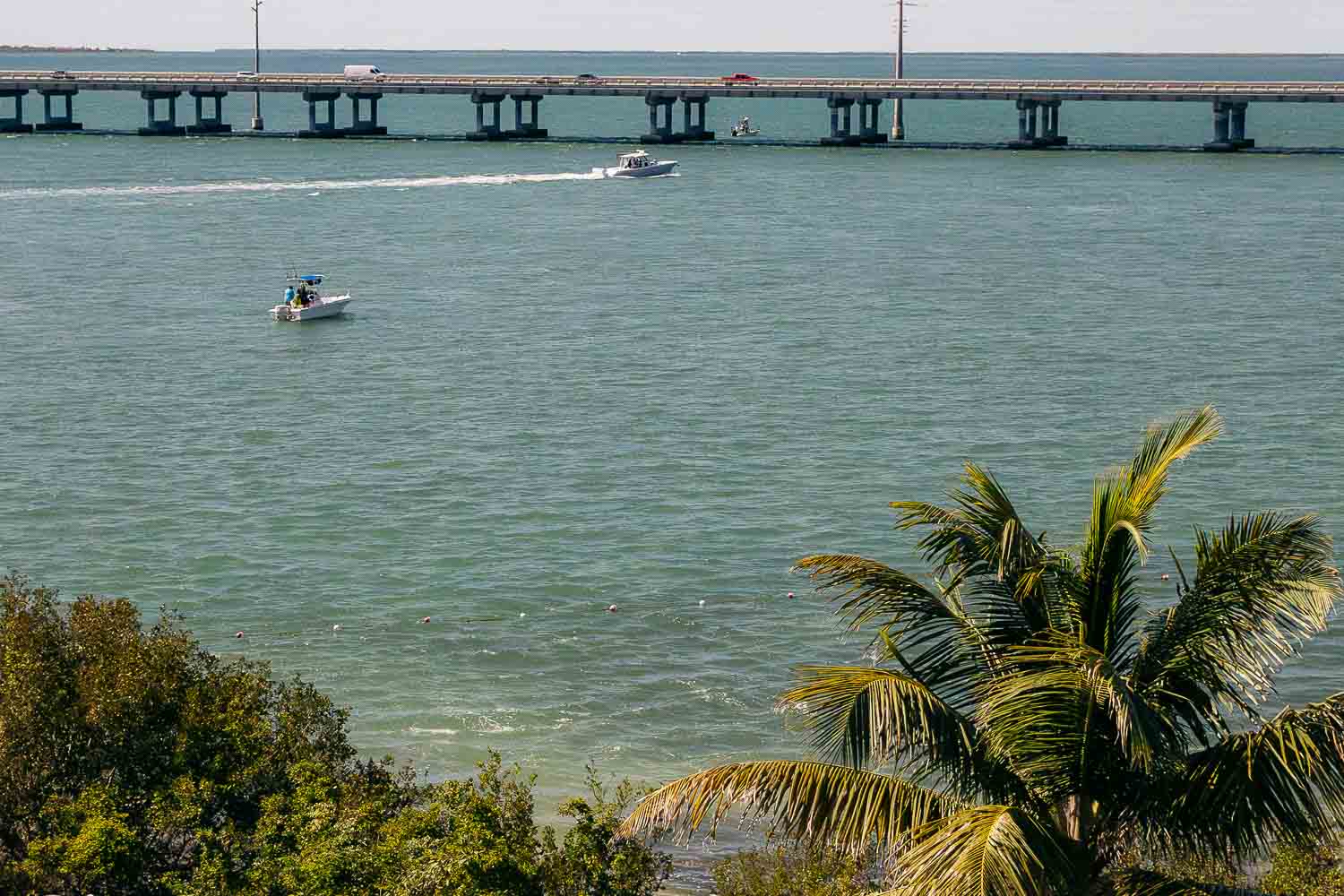
Spanning more than 120 miles, the Florida Keys is a chain of tropical islands off the southern tip of Florida. The number of the islands that comprises the archipelago is even more staggering: more than 1,700 isles or keys. But only about 30 of them are inhabited and some 43 are connected by bridges.
With that being said, you can conveniently drive from Key Largo, an island closest to the mainland, to Key West, the southernmost point of the archipelago, without the need to board a plane or boat.
READ MORE: 8 Day Oahu – Big Island of Hawaii Trip
How Many Days Do You Need for the Florida Keys?
It sounded like an easy, breeze trip with plenty to see and explore until it couldn’t. The Florida Keys overwhelmed us with the number of unique places, one-in-a-life-time adventures, and remarkable hidden gems you won’t find anywhere else on Earth.
If we were worried that we might run out of things to do in the Florida Keys during these 2 days before starting our road trip, now we were convinced that the time allotted to this adventure was scarce.
Two days was simply not enough to see even half of what the Florida Keys provided. Double this time or better yet triple it to explore the archipelago, both its land and underwater realms and abundant animal kingdom, famous and hidden sites.
2 DAYS ISLAND HOPPING IN THE FLORIDA KEYS
With our return flight in less than three days, we had to make the most of the time we had spared for the remarkable Florida Keys. That meant skipping some landmarks we had on our initial itinerary and exploring in depth other favorite and off-the-beaten path sections of the archipelago.
DAY 1 OF THE FLORIDA KEYS ISLAND HOPPING
Stop 1: Robbie’s of Islamorada
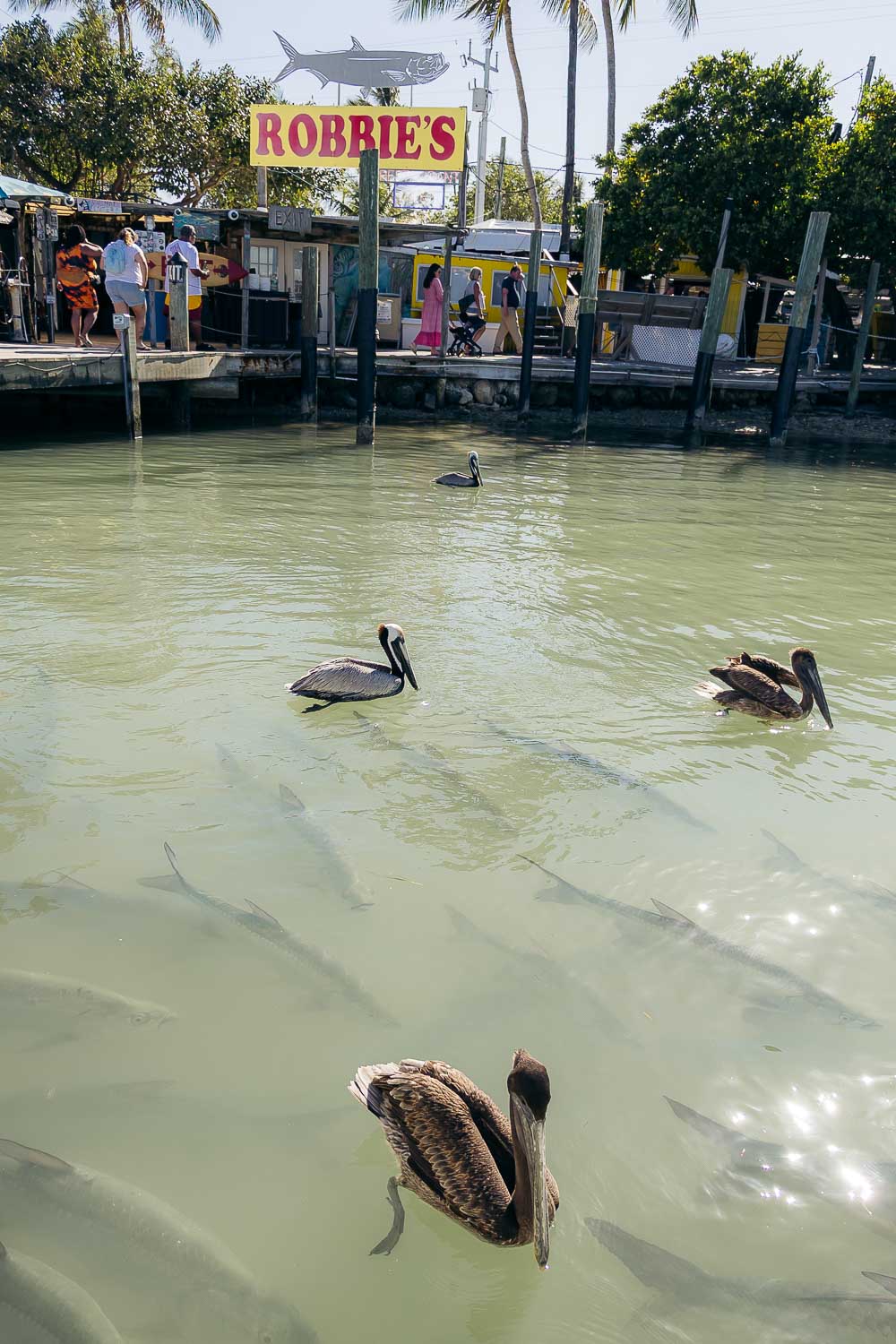
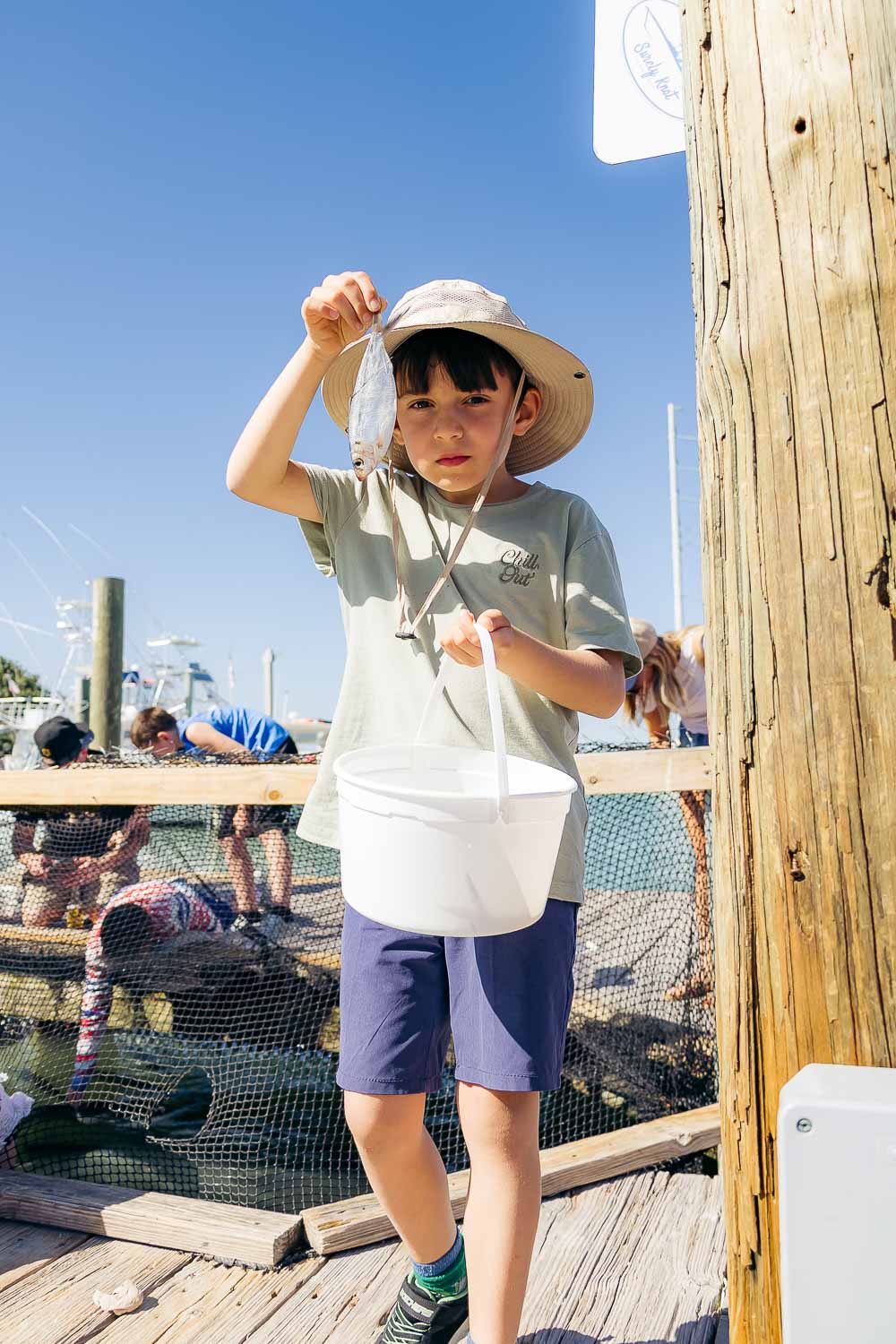
We couldn’t miss it. The truth is, Robbie’s, a seafront restaurant on Islamorada in the Florida Keys is not the type of places we normally visit. It’s too busy, too chaotic. But we had to stop here, not to eat, but to feed giant tarpon.
Hundreds of Silver Kings, as tarpon are often called, linger near the pier waiting to be fed. Pelicans also don’t need to be asked twice to join the feast. On the contrary, you have to be vigilant. The clever birds are adept at sneaking in and stealing fish from your bucket when you are not looking.
Note: Robbie’s wasn’t our first stop in the Florida Keys during these two days. Yet the place enriched our adventure with such incredible memories that it was only fair to mention it first.
Stop 2: Dagny Johnson Key Largo Hammock Botanical Garden State Park
If you’ve followed our journey here, on Instagram, or our YouTube channel, you might have noticed that we prefer less crowded, off-the-beaten-path destinations. In the Florida Keys, finding a secluded place can be challenging. But true gems do still exist even if this little paradise archipelago off the southern coast of Florida.
The closest to the mainland of Florida, Key Largo is probably one of the most overlooked main isles in the Florida Keys.
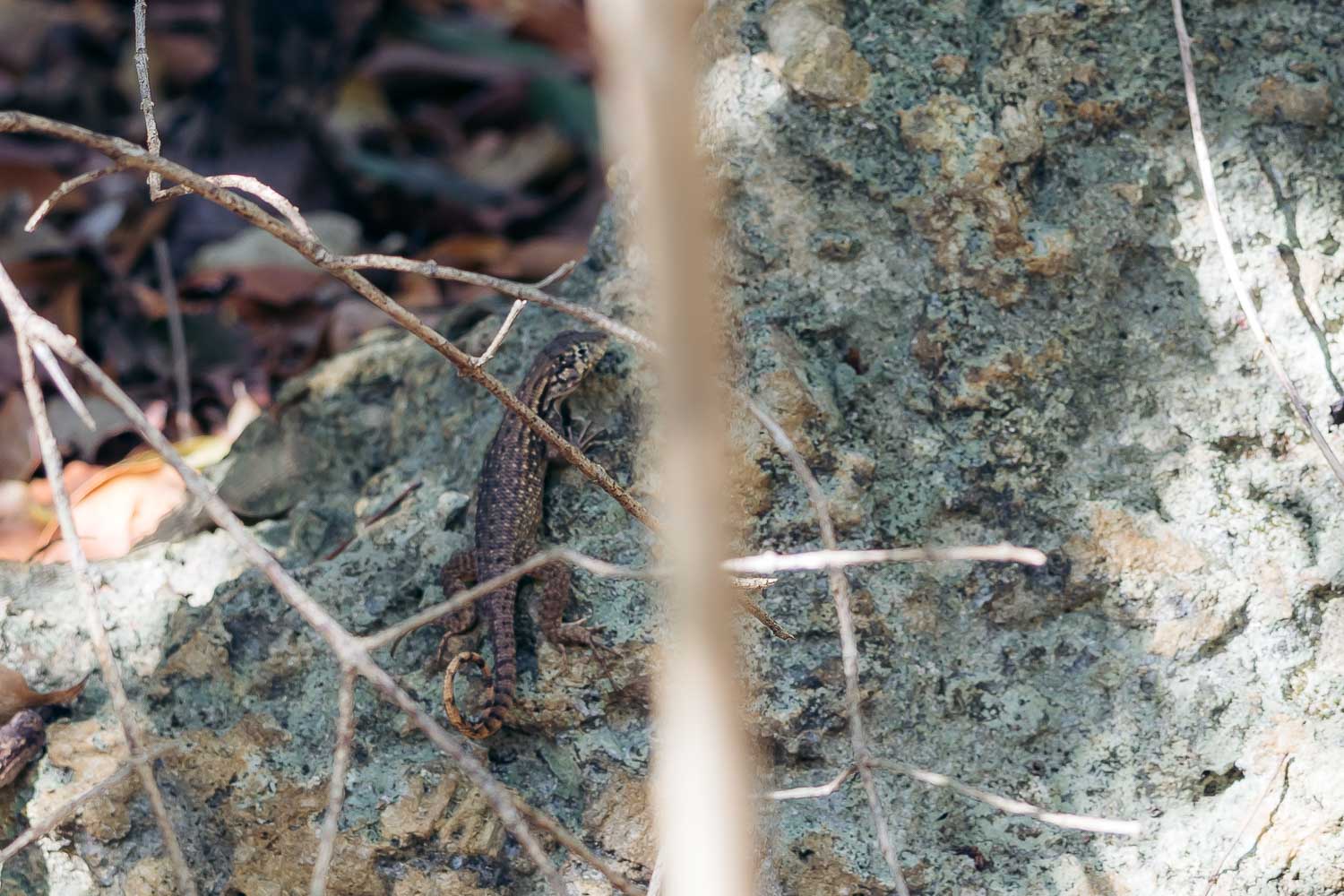
Located slightly to the left off the main route, Dagny Johnson Key Largo Hammock Botanical State Park can be the first or the last place you want to check out here. Small and secluded, it lacks water activities typical for other keys. What it offers, however, is unique in its own way. It’s home to more than 80 protective species of plants, birds, and animals, inducing wild cotton, mahogany mistletoe, and poison oak.
Stop 3: John Pennekamp Coral Reef State Park
John Pennekamp Coral Reef State Park is known as America’s first undersea park. In fact, the Florida Keys Reef Tract, the northernmost part of which comprises Biscayne National Park, is the third-largest coral barrier reef in the world. With that being said, snorkeling and scuba diving are big things in this part of the Florida Keys.
Sadly, at that time, Dylan was under the age when local tour operators would allow him to join their snorkeling escapades. The closest option we had to cast a peek at Florida’s underwater world was from a glass-bottom boat.
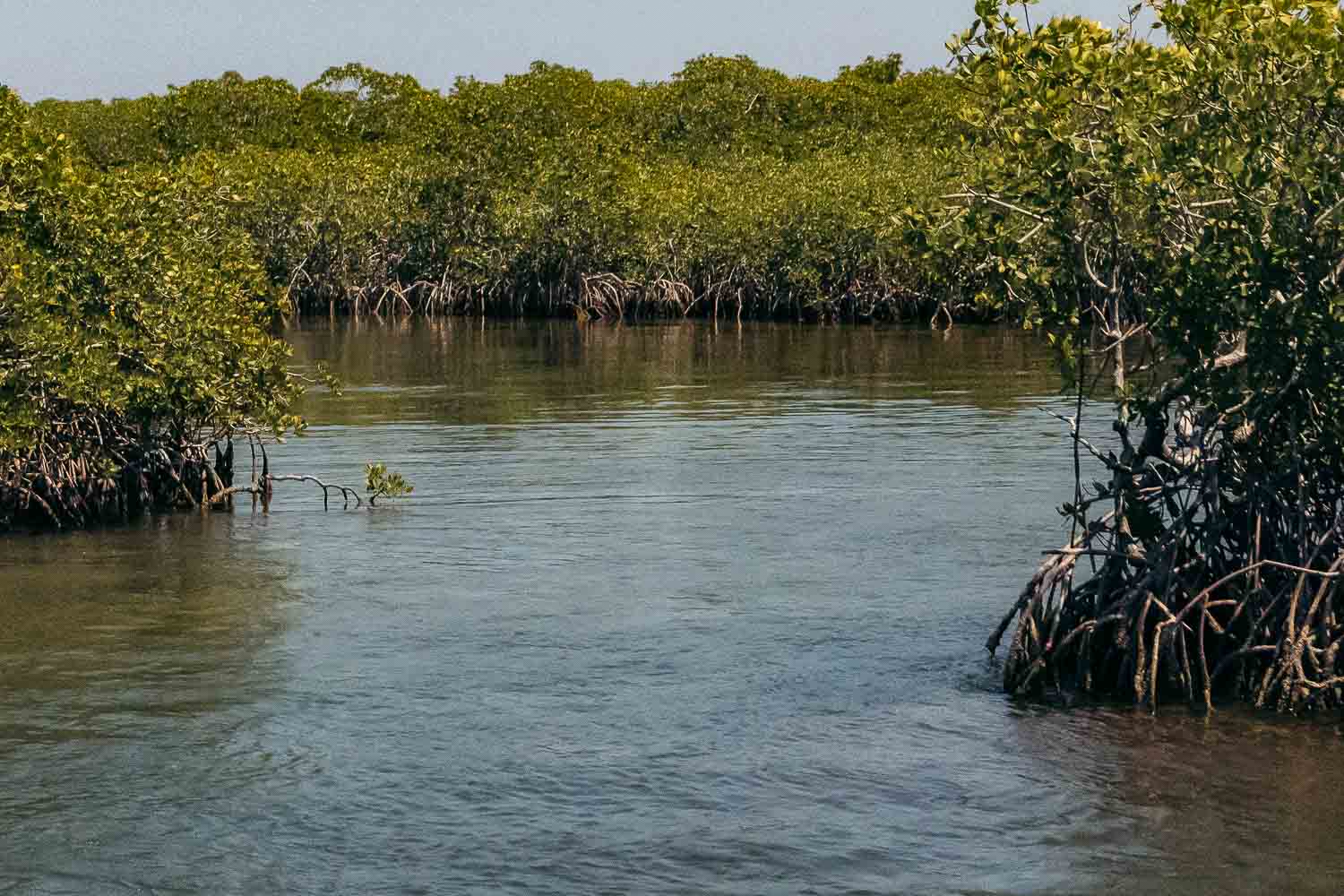
Apart from its boat and underwater excursions, John Pennekamp Coral Reef State Park boasts white sand beaches and beautiful aquariums inside the visitor center. For off-the-land adventures, kayak through the expansive mangrove areas or discover shipwrecks such as Spiegel Grove.
READ MORE: The Underwater World of Maui: Atlantis Submarine Adventure
Stop 4: Laura Quinn Wild Bird Sanctuary
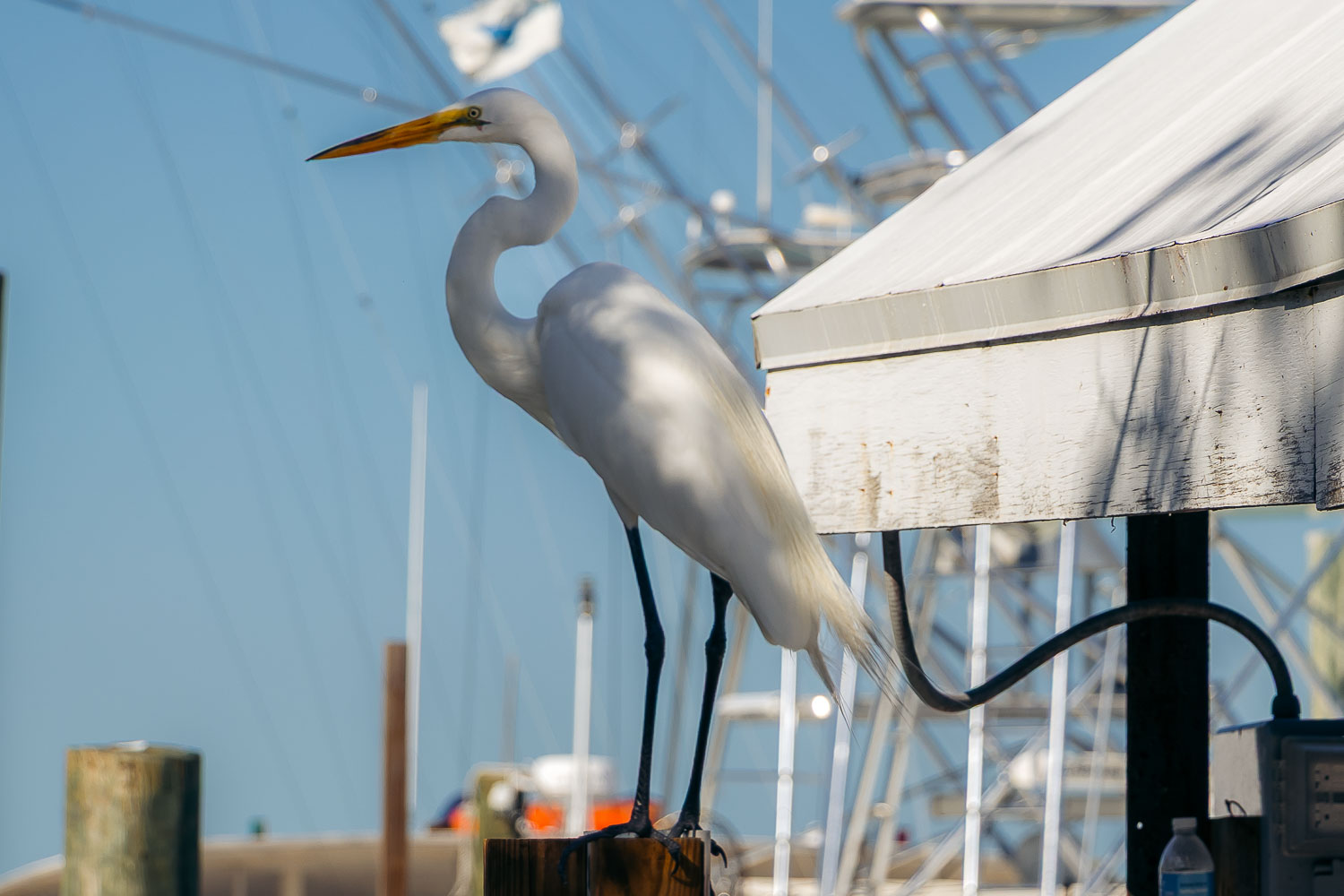
The Florida Keys is a true paradise for bird watching. We would see more of these feathery inhabitants on different keys and give each and every encounter adequate time it deserved. Maybe even more that it would be needed. But what can I say, we, or at least I, are in complete awe of wild living creatures.
There were many more birds to watch and far fewer people to share the experience with at the Laura Quinn Wild Bird Sanctuary.
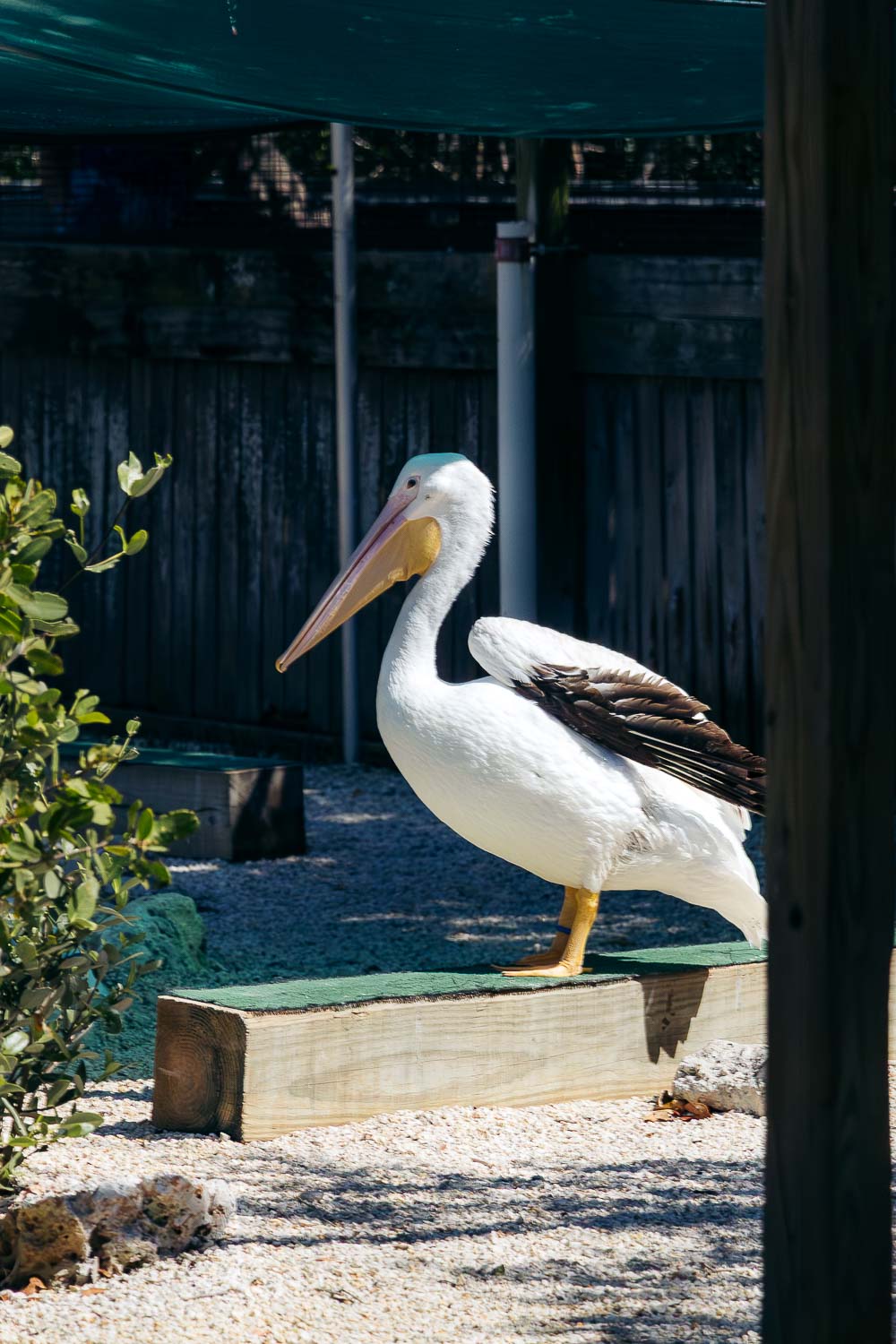
Located in Tavernier, nine miles south of John Pennekamp Coral Reef State Park, the Wild Bird Sanctuary is an easy spot to miss. We almost missed it. The center is a safe haven and a secure home to more than a hundred small and big birds that can’t return to the wild.
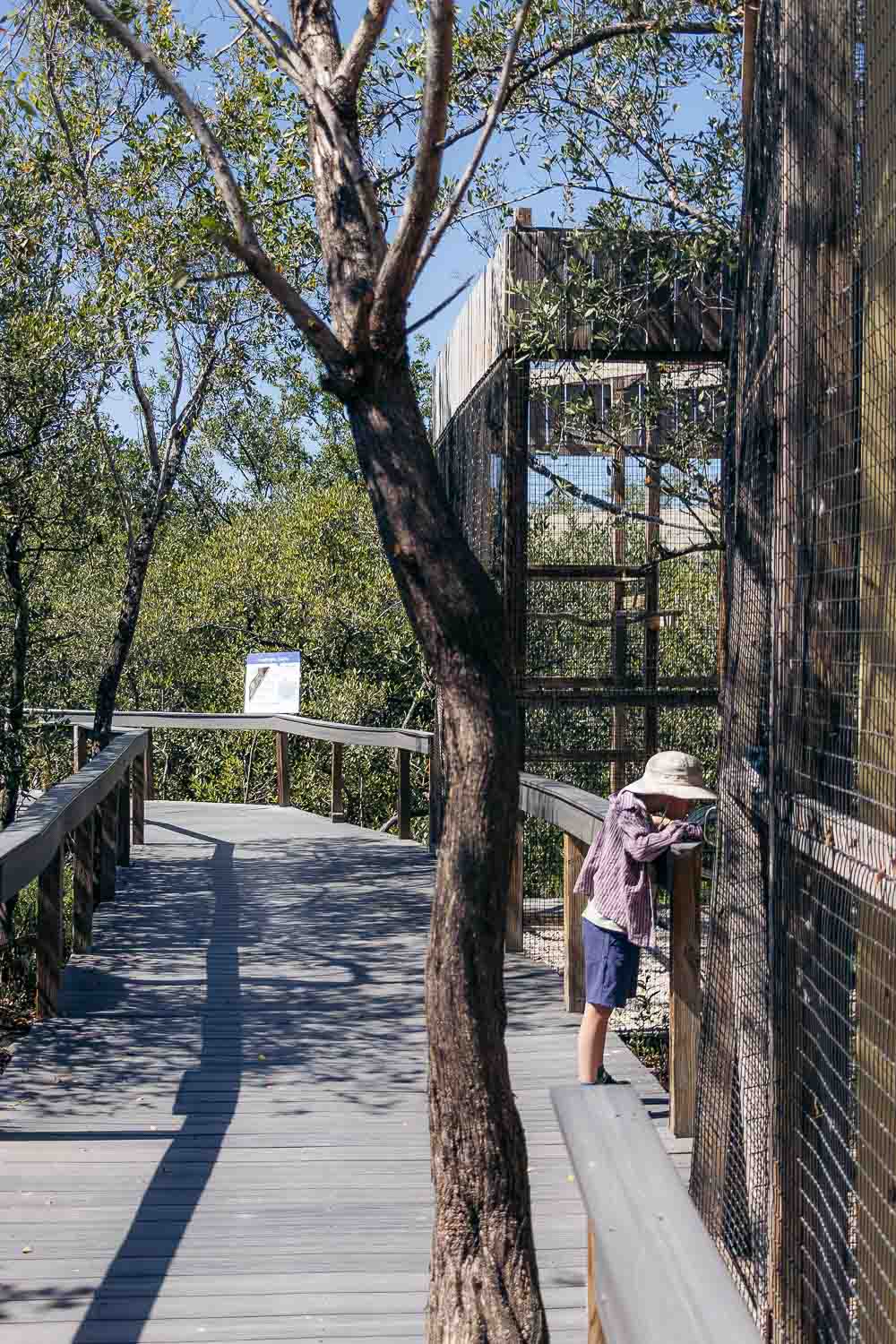
While you are taking a stroll along the raised boardwalk, keep your eyes peeled for both caged and uncaged birds hiding in the trees around the sanctuary.
TIP: Oh, by the way, wandering off the wooden trail is not recommended so you don’t trouble or be troubled – it’s up to you how you put it – by free roaming alligators.
Stop 5: Long Key State Park
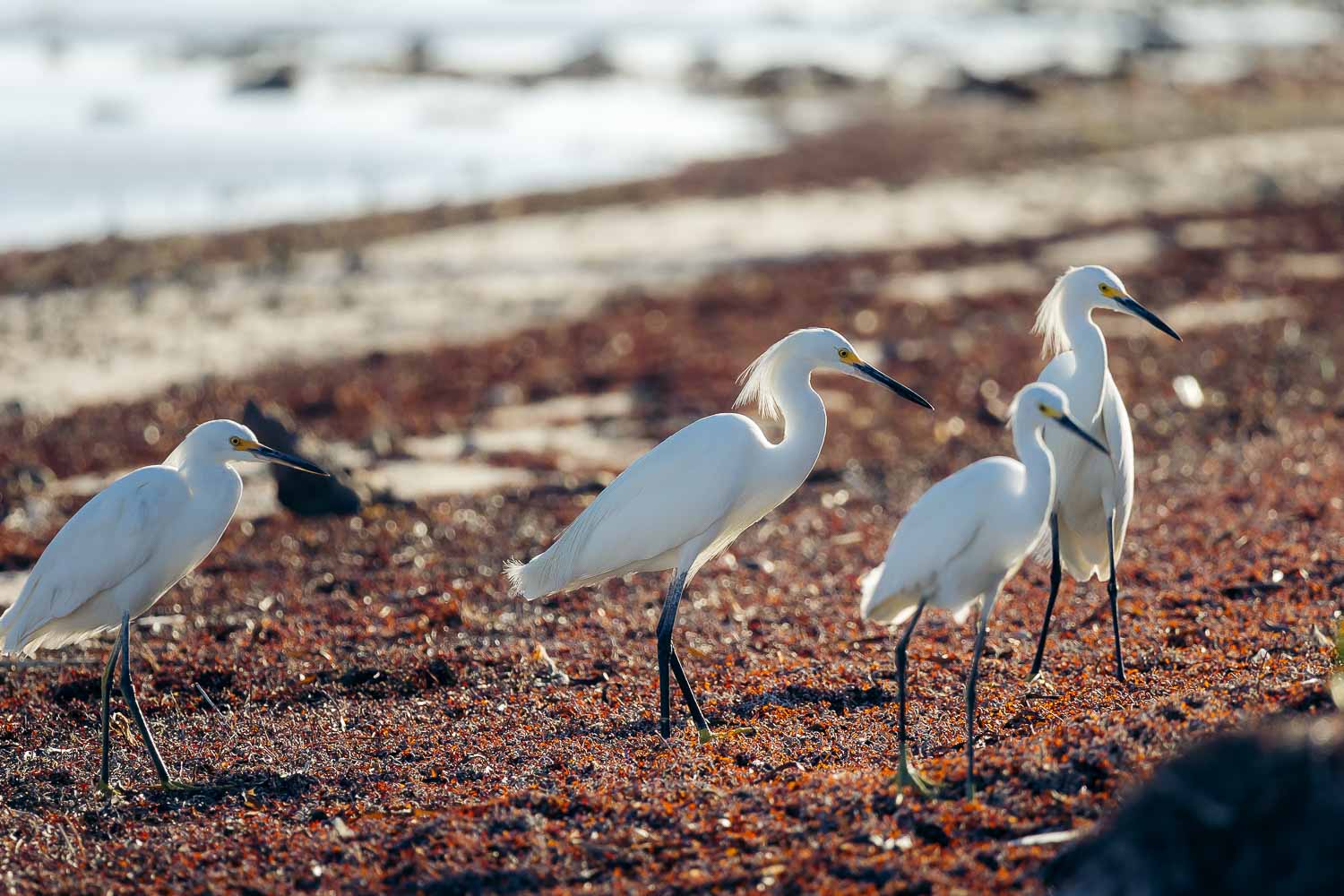
Didn’t I say the Florida Keys abound with birds, from tropical shorebirds to wading and migratory species and even raptors, including falcons and hawks. We found another bird paradise in Long Key State Park. With less than an hour before it would close, the park was a breath of fresh air, so to say, in the lively maze of the isles.
Stop 6: The Seven Mile Bridge
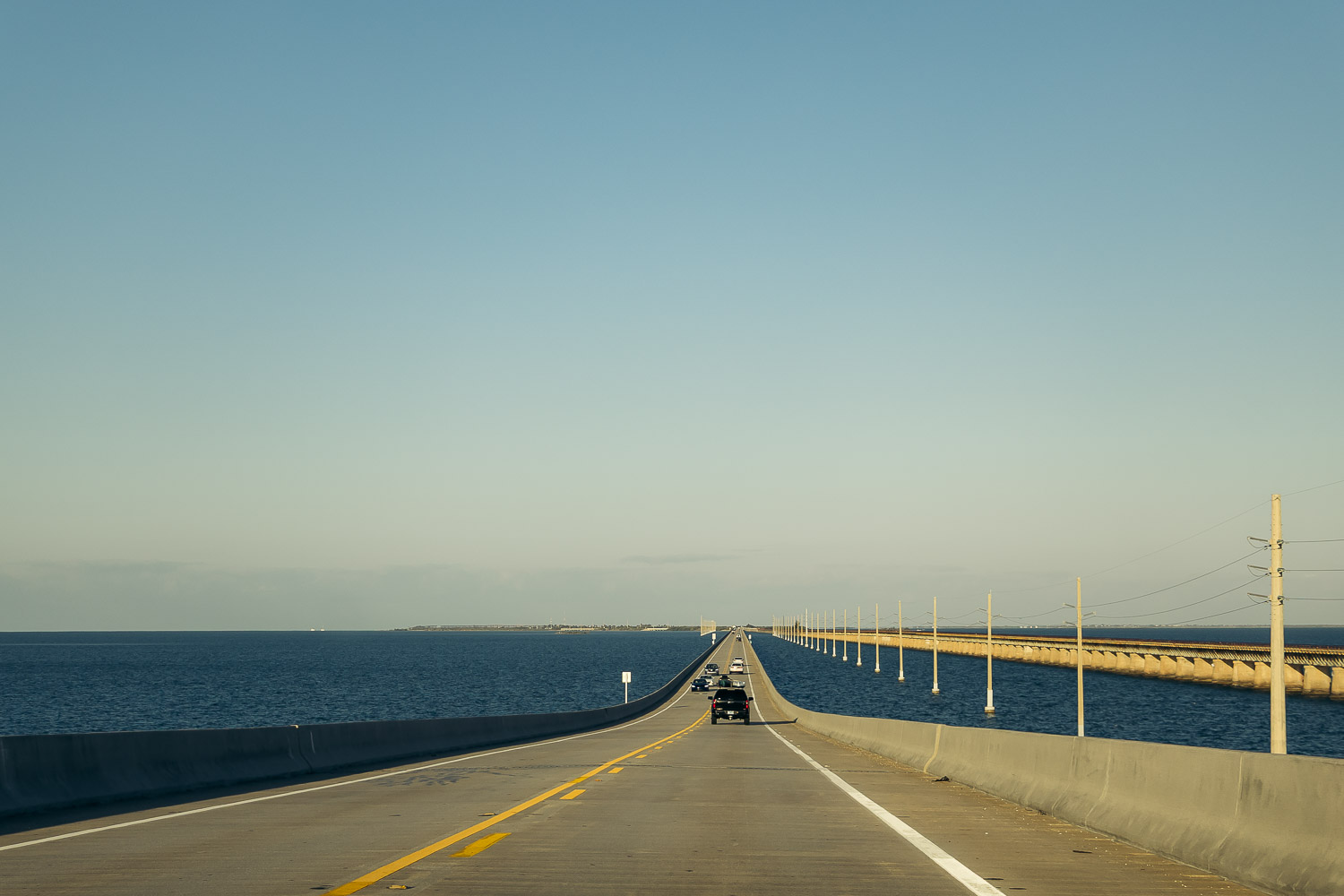
Our Airbnb for the next night could be… could be lovelier for the price we paid. But it had one big lure to it: the grand view of the Seven Mile Bridge that connects Knight’s Key to Little Duck Key. It takes about 7 minutes to drive from one end of the bridge to the other. We timed it.
DAY 2 OF THE FLORIDA KEYS ISLAND HOPPING
We made a carefully-weighed decision to start our second full day in the Florida Keys at the southernmost isle, Key West. The morning was the ideal time to explore the island-city without the maddening crowds on every corner. Later in the day, it would swarm with people, enjoying the island life, tropical weather, and many water activities the Florida Keys offered in abundance.
Stop 1: Key West
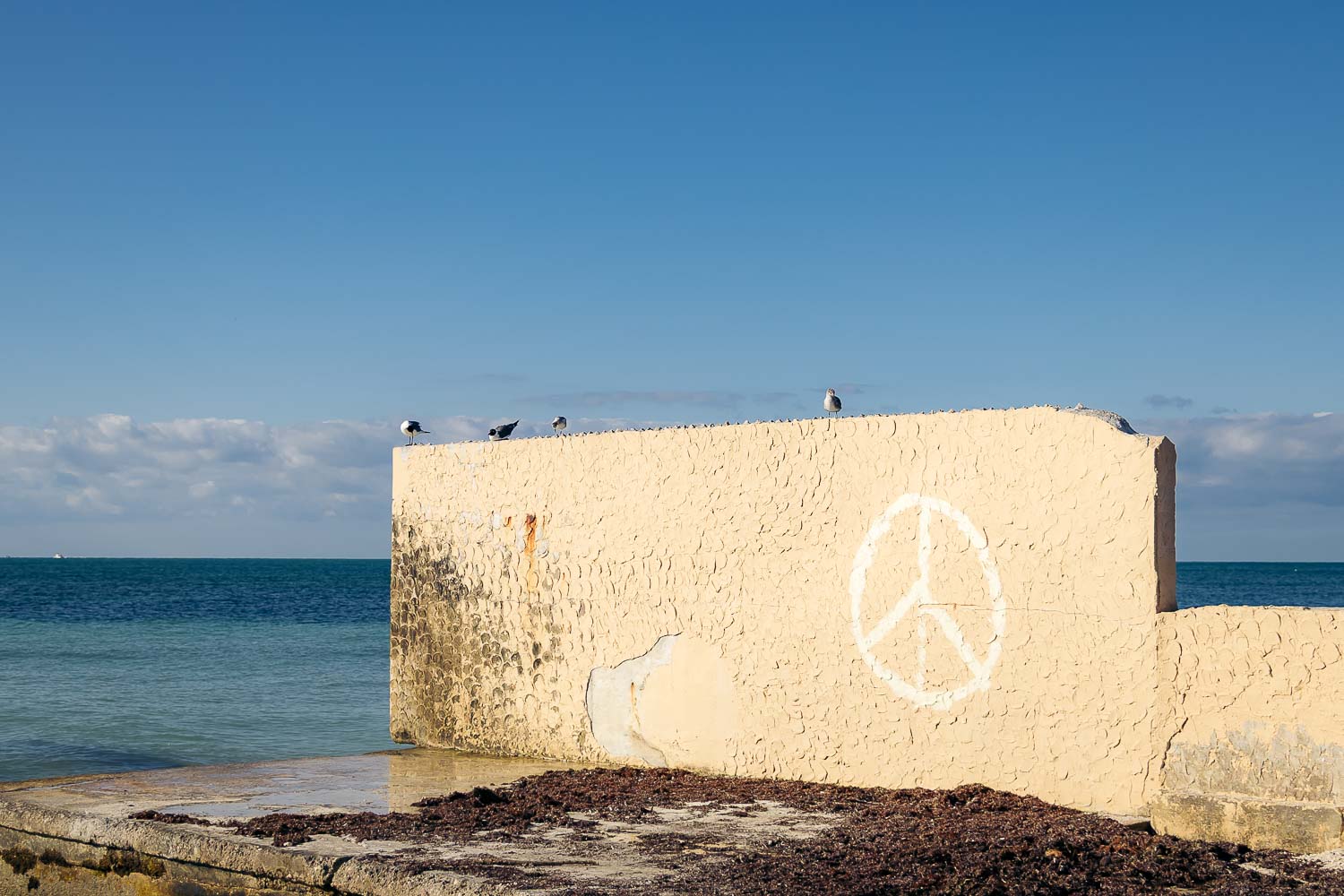
Key West is the southernmost island in the Florida Keys. Bordering both the Atlantic Ocean and the Gulf of Mexico, the island is located less than 100 miles north of the Caribbean. Its closest neighbor, Cuba, is only 90 miles away.
Key West is also the most populous isle of them all.
READ MORE: Ka Lae, Hawaii: The Southernmost Point of the U.S.
Stop 2: The Key West Butterfly and Nature Conservatory
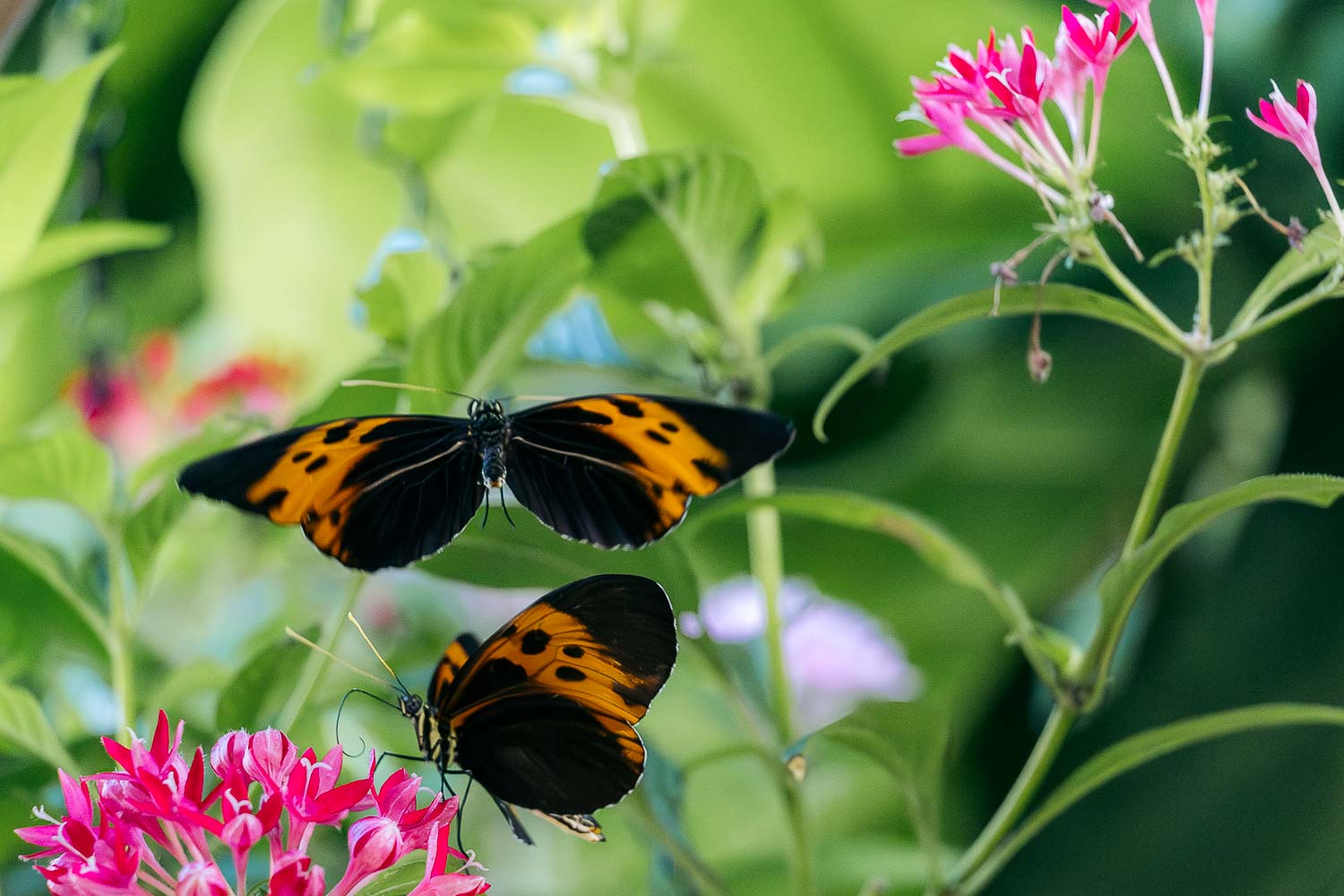
The Key West Butterfly and Nature Conservatory may be just one of those hidden gems in the Florida Keys that, considering the popularity of the area, is hard to come by. But one group of living creatures the place is not short of is butterflies. Some 50 species of insect thrive in a climate-controlled habitat.
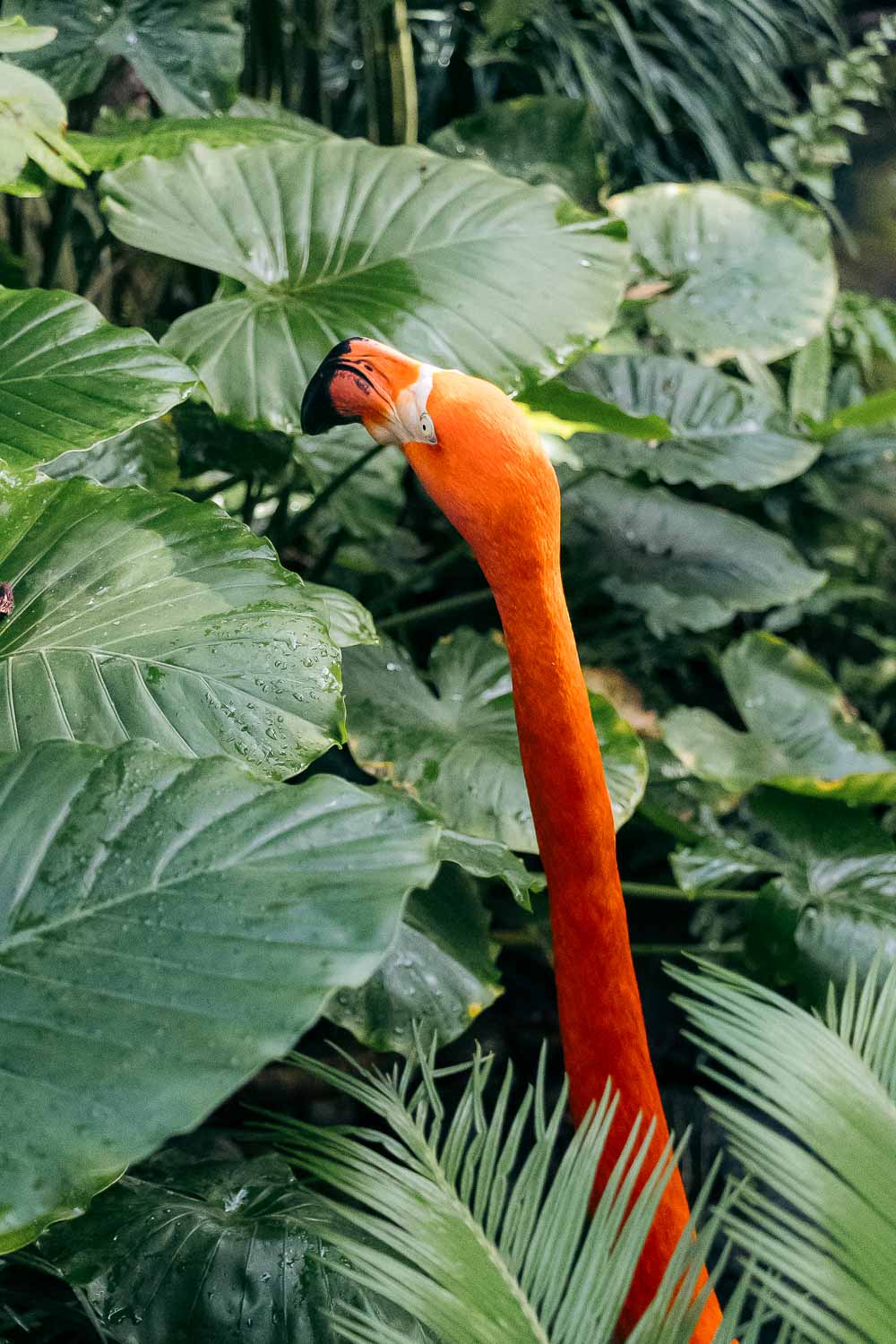
The glass-domed space also harbors some tropical turtles and birds. Taking part in the fierce competition at the conservatory, a couple of pink flamingos sings, and dances, and does all things possible to draw attention to themselves.
Stop 3: The Hemingway Home and Museum
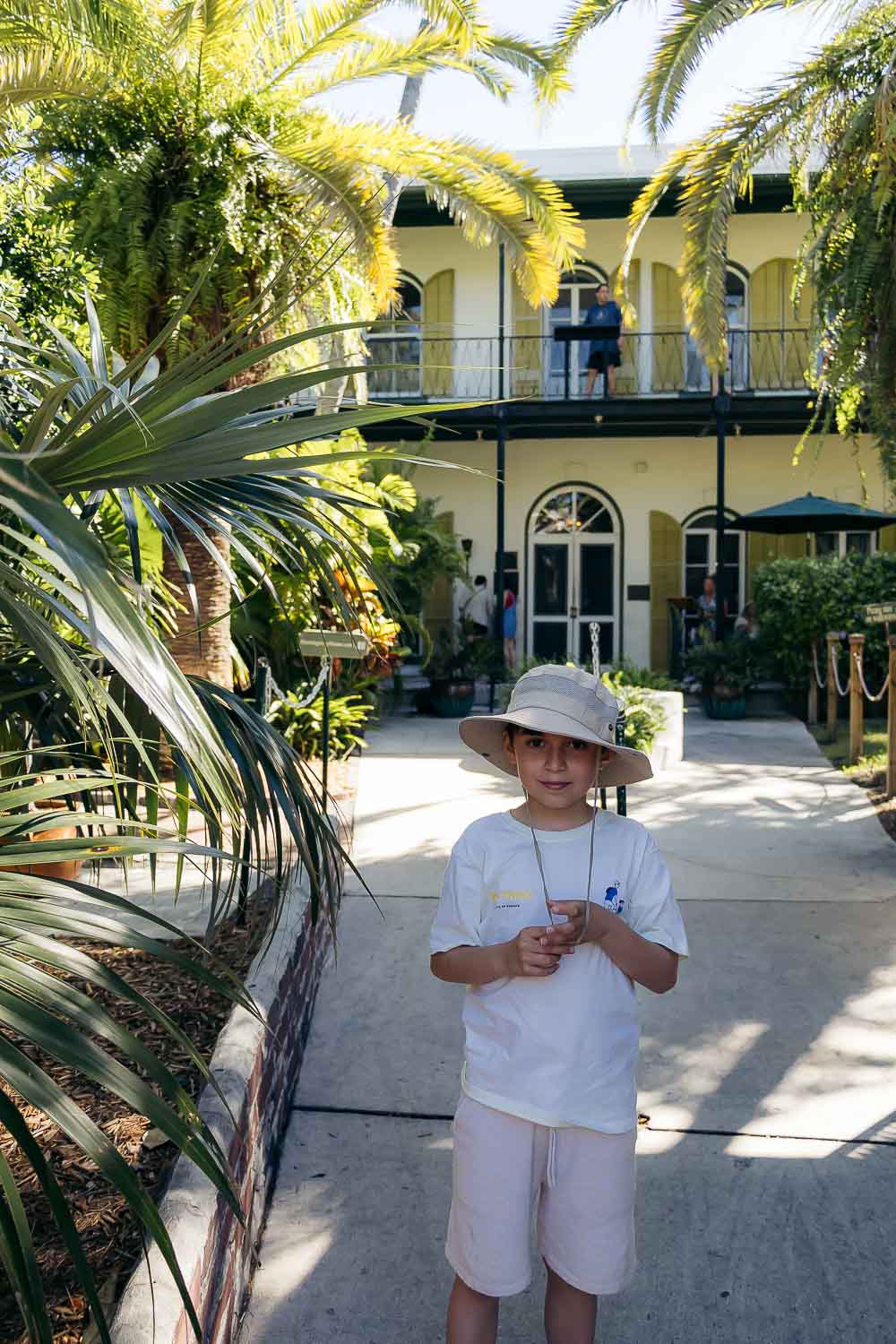
Once in Key West, we had to step inside the Hemingway Home where the famous American novelist created some of his most cherished masterpieces while living in the Florida Keys.
Next to the main building is the Writing Studio where Hemingway wrote his novels in the morning before venturing to the sea for an afternoon fishing session.
The former abode of the famous writer is often referred to as The Home Cats and Museum for a quite apparent reason. Hemingway was known for his love for cats, especially polydactyl or those with the odd number of toes.
His first six-toed feline, Snow White, was given to him by a ship captain. Today, dozens of her descendants roam the author’s former home. Sure enough, they’ve inherited their mother’s special mark.
Stop 4: Fort Zachary Taylor Historic State Park
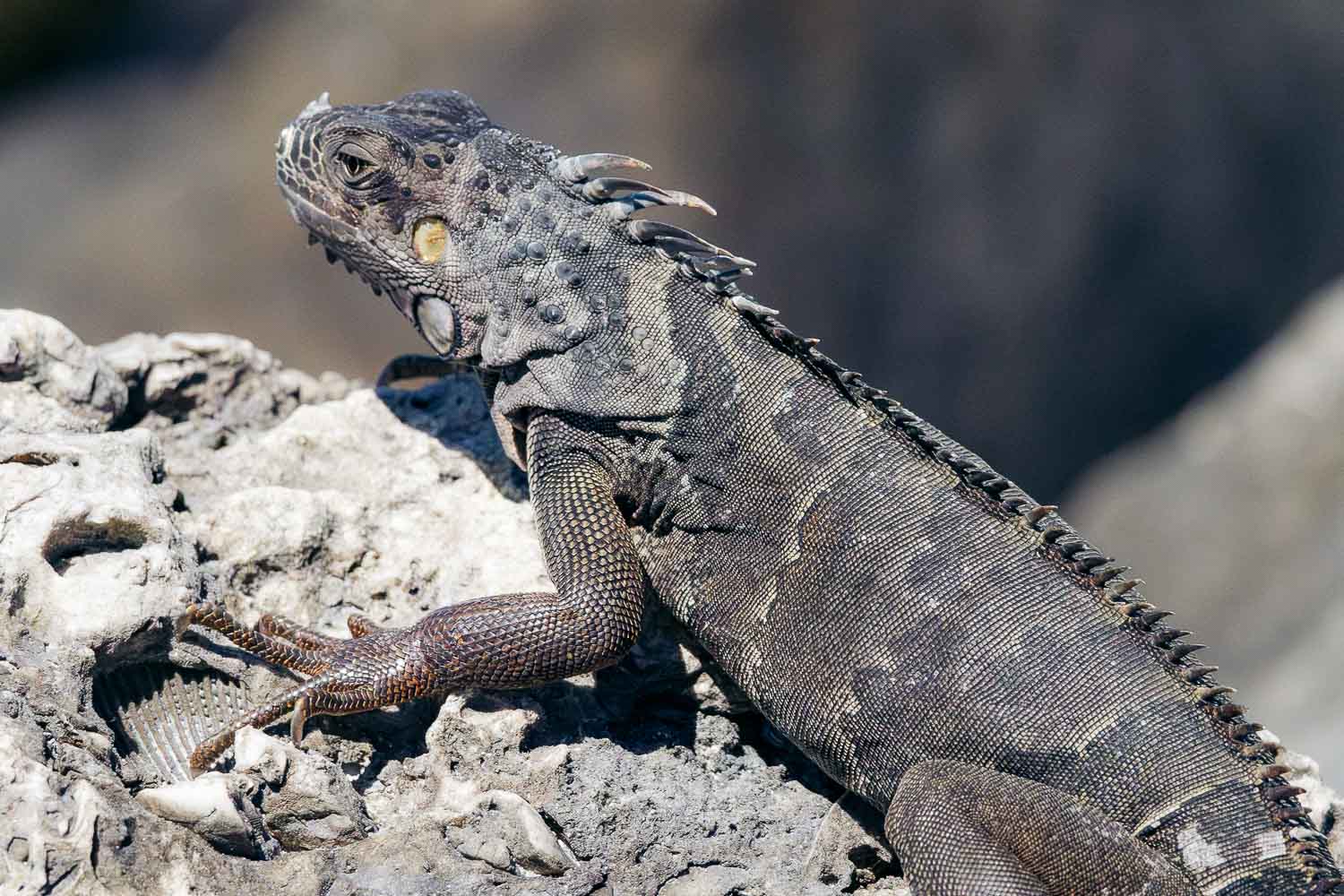
Green, grey, and black iguanas laze on the rocks by the sea, listening to the sound of crashing waves and departing and arriving ships. The sight is nothing unusual in Fort Zachary Taylor Historic State Park.
In fact, it’s not even the most alluring thing in the southernmost park in the Florida Keys and, as a matter of fact, the continental U.S.
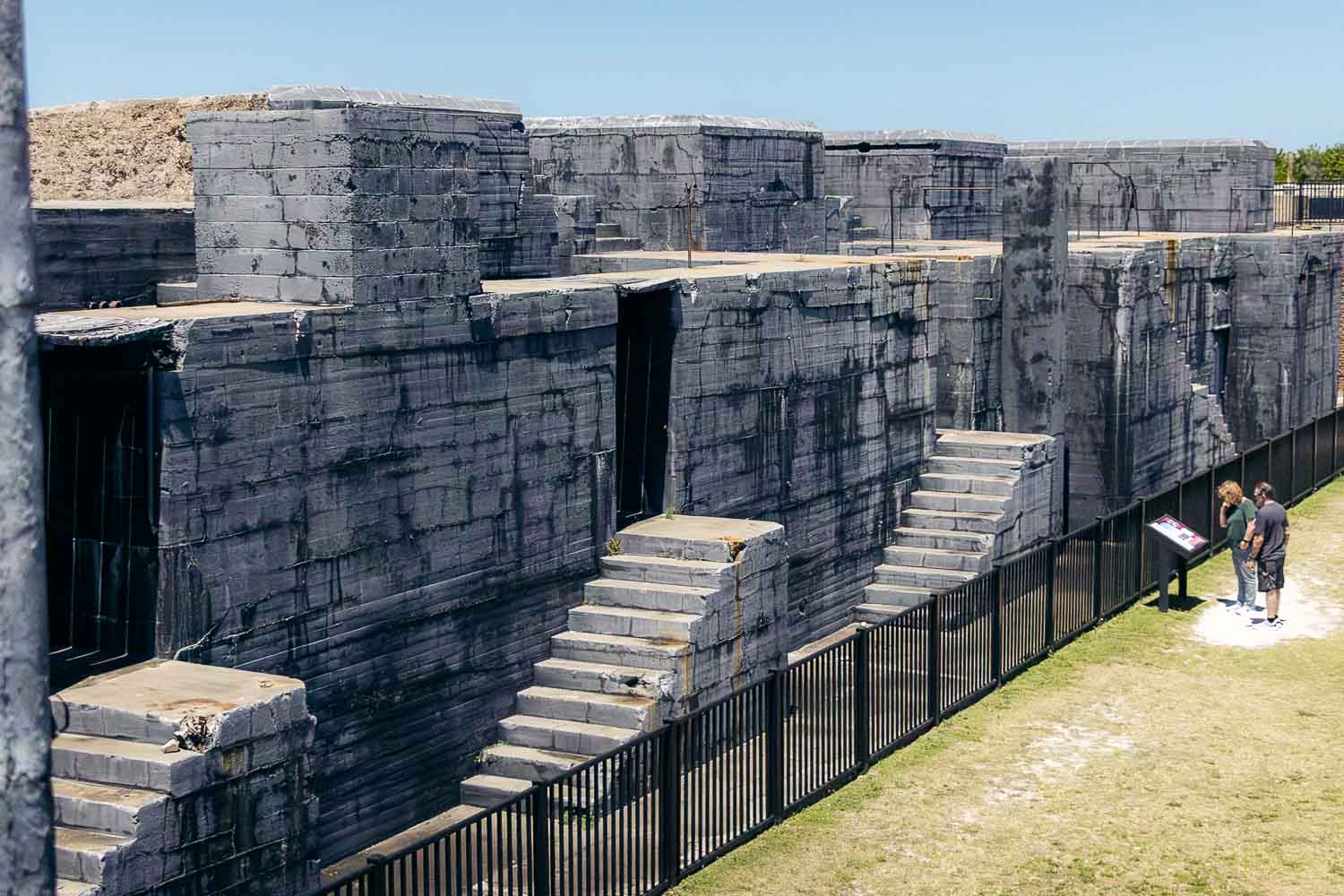
Fort Zachary Taylor is. The historic fortress played a crucial role in the Civil War and later was used for harbor defense in the Spanish-American War, World War I, and World War II.
Stop 5: Bahia Honda State Park
Three things you must do in the Florida Keys: admire its abundant mangroves, quietly observe tropical wildlife, and laze on a beach. The best place to soak up the quintessential beauty of the archipelago is hands down Bahia Honda State Park.
Stop 6: Dolphin Research Center
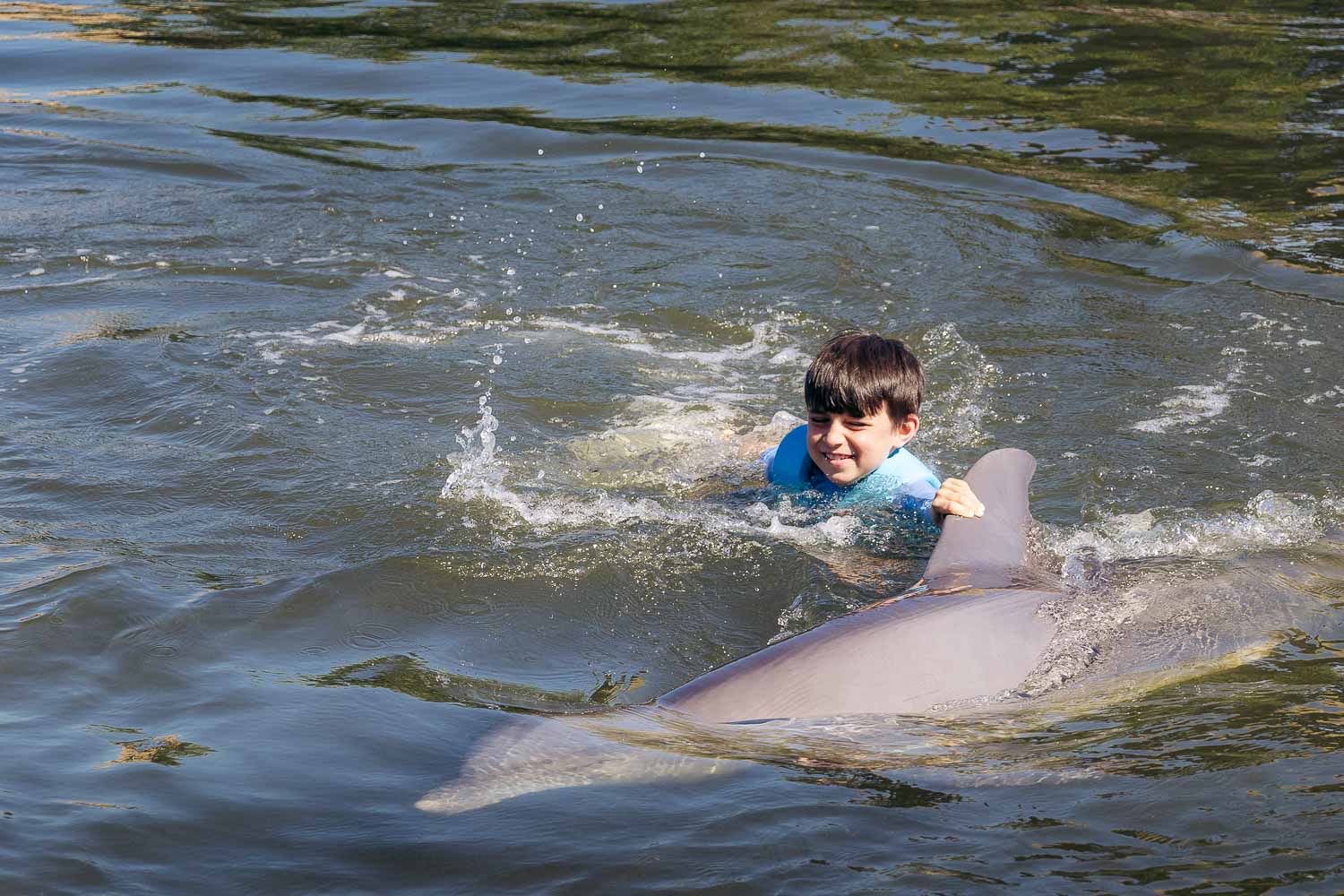
When you travel with kids, you do things that you may skip otherwise. Well, I must say, I’m glad we didn’t bypass the Dolphin Research Center for Dylan’s sake. Like many establishments of this kind, the center receives mixed reactions.
Ideally, we’d love to swim with dolphins in the wild, keeping the required distance of course. But this encounter was the best we could get during this trip. The dolphins seemed to be well-cared for. So, I’d say it was worth it.